Attic Insulation Advisory
Is your attic insulation actually underperforming?
Most Ontario homeowners assume their attic insulation is adequate because the house "feels fine." The data tells a different story. Homes built before 1990 typically have attic insulation between R12 and R30 — significantly below the current Ontario Building Code target of R60 for new construction. That gap translates directly into monthly heating bills.
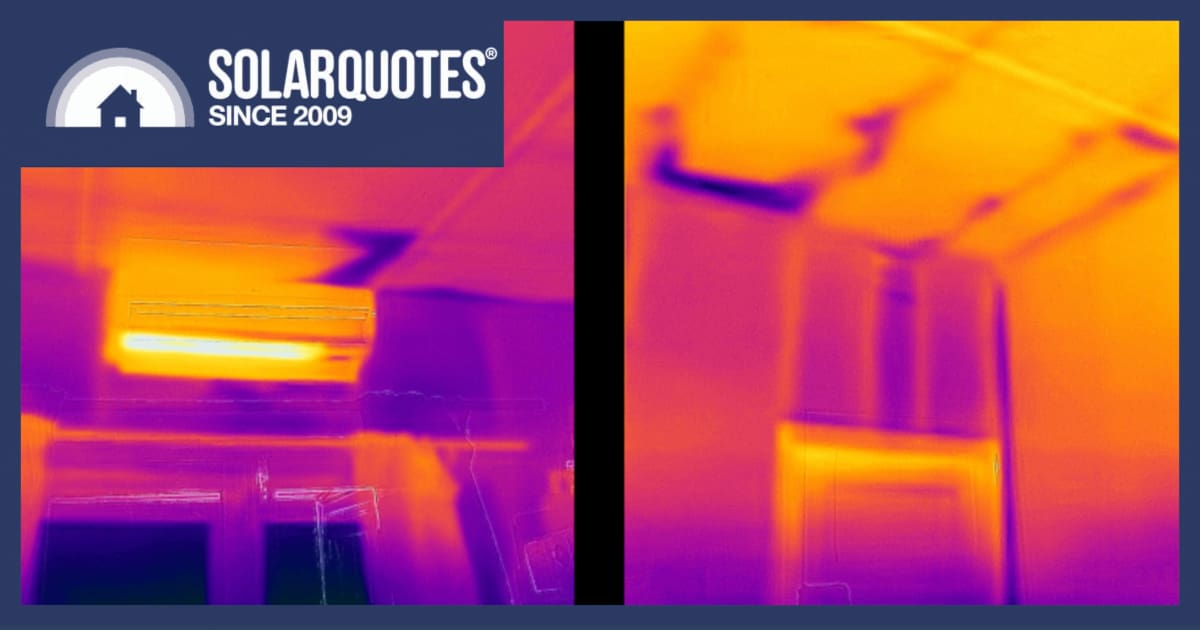
The only way to know your actual starting point is a certified home energy audit. The blower door test and thermal imaging together show exactly where attic bypasses and insulation gaps are occurring — information that changes both the scope and the cost of the upgrade significantly.
Blown-in insulation vs spray foam for Ontario attics
The right material depends on your attic's specific conditions. Here's what independent analysis typically shows:
Blown-in cellulose or fibreglass is the standard choice for attic top-ups. It's cost-effective, installs quickly, and performs well for open attic floor applications. It does not address air leakage — air sealing must be done separately (and first) to get full benefit. See our air sealing service page for detail on why sequence matters.
Spray polyurethane foam (SPF) is the right choice when the attic has complex geometry, significant bypasses around penetrations, or when converting a vented attic to an unvented conditioned attic. It seals and insulates in one step but costs significantly more per R-value unit. For a full comparison, see our guide on spray foam vs blown-in insulation.
For the majority of typical Ontario detached homes — especially pre-retrofit attics with accessible floors — blown-in after thorough air sealing is the optimal sequence.
What is R60 attic insulation and do you need it?
R60 is the current Ontario Building Code minimum for attic insulation in new construction. R-value measures thermal resistance — the higher the number, the better the insulation. R60 requires approximately 18–20 inches of blown-in fibreglass or 16–17 inches of cellulose.
Whether topping up to R60 is the right target for your home depends on your current level, heating fuel type, and climate zone. In Ontario's colder northern regions, the economic case for higher levels is stronger than in the GTA. Your EnerGuide report will model the payback for each incremental improvement. For more, see our full explainer on R60 attic insulation in Ontario.
Attic insulation cost in Ontario
For a typical GTA detached home (1,200–1,600 sq ft attic floor area), attic insulation costs generally fall in these ranges:
- Blown-in fibreglass top-up to R60: $2,500 to $4,500 depending on current level and access
- Blown-in cellulose top-up to R60: $2,000 to $4,000
- Spray foam (open or closed cell): $5,000 to $12,000+ depending on scope
- Air sealing prior to blown-in: typically $800 to $2,000 additional
These ranges don't include rebate offsets. With the Home Renovation Savings Program, qualifying homeowners can significantly reduce net cost — in some cases by $3,000–$5,000 depending on modelled energy savings. We'll calculate your specific eligibility as part of our advisory process.
The attic insulation sequencing question
Air sealing before blown-in insulation is not just recommended — it's essential. Blown-in insulation over a leaky ceiling allows warm humid air to continue infiltrating the attic, which defeats the thermal improvement and risks moisture damage. Any contractor who skips this step is taking a shortcut at your expense. We confirm air sealing scope is included in every contractor brief we develop.
Attic insulation rebates in Ontario
Multiple programs cover attic insulation upgrades for Ontario homeowners. The key programs as of 2025:
- Home Renovation Savings Program (HRS): Province-administered rebates tied to modelled energy savings. A pre-upgrade EnerGuide audit is required. Rebate amounts scale with projected improvement.
- Enbridge Home Efficiency Rebate: Available to natural gas customers. Covers qualifying insulation upgrades with a separate rebate structure.
- Canada Greener Homes Loan: Interest-free financing for eligible insulation upgrades, stackable with provincial programs.
See our full rebate guide for current program details and stacking eligibility.